
Your sales target has outgrown your sales function
I install the systems, numbers and forecasting discipline that turn aggressive sales targets into controlled commercial outcomes.
Short qualification call. If it's not a fit, I'll tell you honestly.
ANNUAL REVENUE: £5.4M → £10M
PIPELINE VALUE: £34M → £140M
"Robin brought a level of commercial rigour the sales function was missing. He led us through an 18-month transformation that fundamentally re-engineered how we drive revenue."
Natasha Fry, Head of Sales
Mer Fleet Services
The sales function was built for the business you used to be
Working hard used to be enough to hit target. Strong reps, a sales leader who could close, a team that ran on energy and instinct. That used to be enough.What's missing now isn't effort. It's the structural layer that carries the bigger target. Process. Systems. Analysis. Reporting. Strategy. Get these right and performance becomes a system, not a scramble.
Selling and running a commercial function are different disciplines
Running a sales function at scale runs on something different from selling itself: pipeline coverage measured against benchmarks. A forecast built on leading indicators rather than gut feel. Accountability that holds without anyone needing to chase. Activity discipline that surfaces slippage in week three, not week ten.The boring, structural work that turns a target into a controlled outcome instead of a quarterly stress event.
Start with a Revenue Control Diagnostic
A two-week, end-to-end review of your sales function. Not a workshop. Not a coaching session. A structured assessment of whether the function has what it needs to hit the target. I review:1. Sales strategy and new business tactics
2. Pipeline discipline and sales process
3. Forecast quality and leading indicators
4. Performance reporting and management cadenceYou walk away with a clear, prioritised view of the gaps in your sales operating system and what needs to change to close them.A defined product. Fixed scope. Fixed timeline. Fixed deliverable.
If the diagnostic identifies work worth doing, we move into a defined engagement to install the changes.That's where the system gets built.
The technical side of sales is a specialism. It's mine.
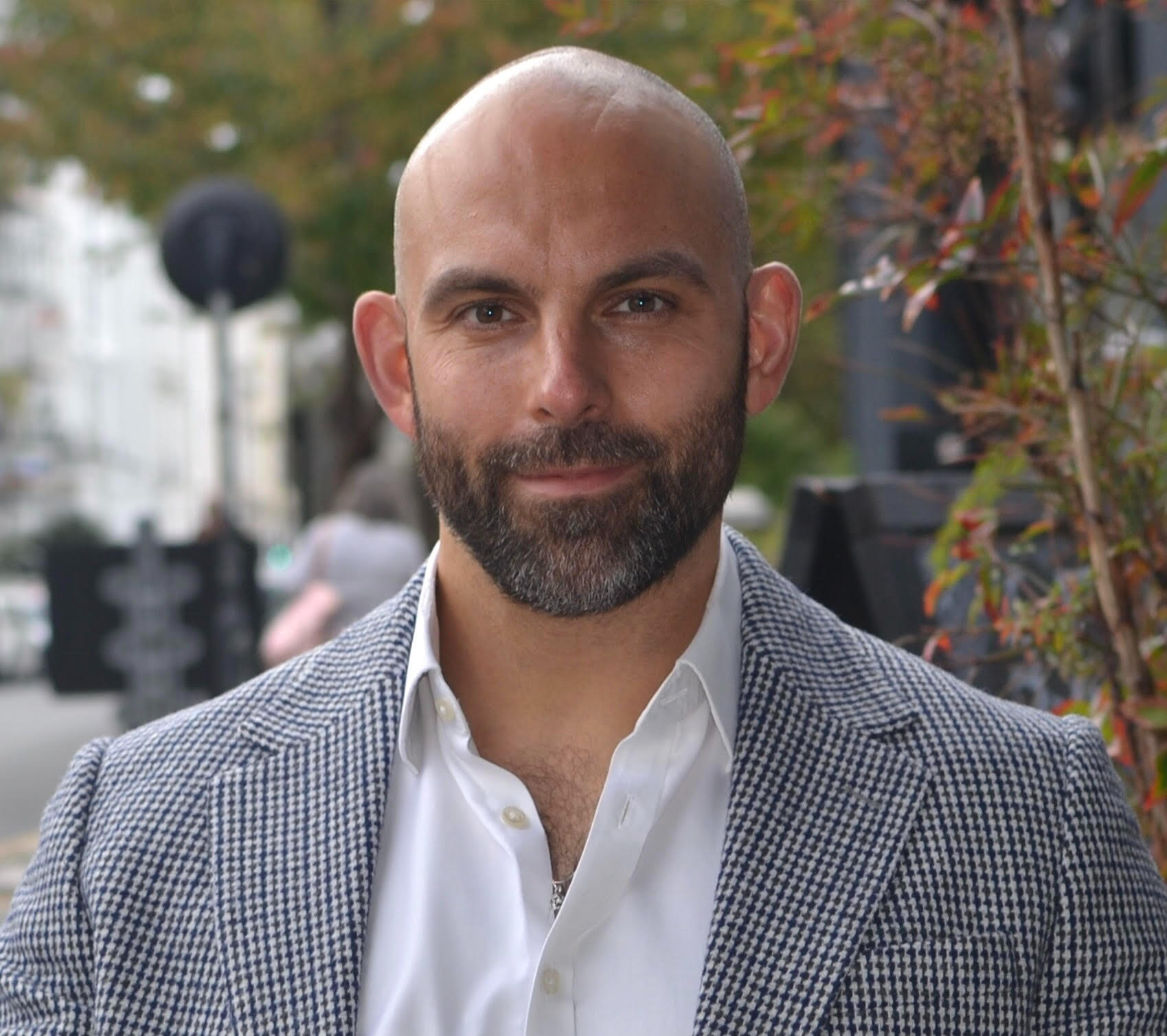
Most sales leaders weren't trained to build the operating layer underneath their team. It's not what got them promoted. It's what got me promoted.Over the last 10 years I've worked across B2B sales, commercial strategy and commercial performance, ending as Head of Commercial Performance & Development at Mer. The whole arc of my career has been the technical side of sales; diagnosing why teams underperform, building the systems that make them consistent, owning the numbers at board level.There are plenty of sales coaches and motivation trainers. I'm not one of them. I'm the operator who comes in, builds the technical layer, and stays until it works.If your sales function is facing a target it was not built to hit, that's the gap I close.
© The Revenue Technician 2026. All rights reserved.